
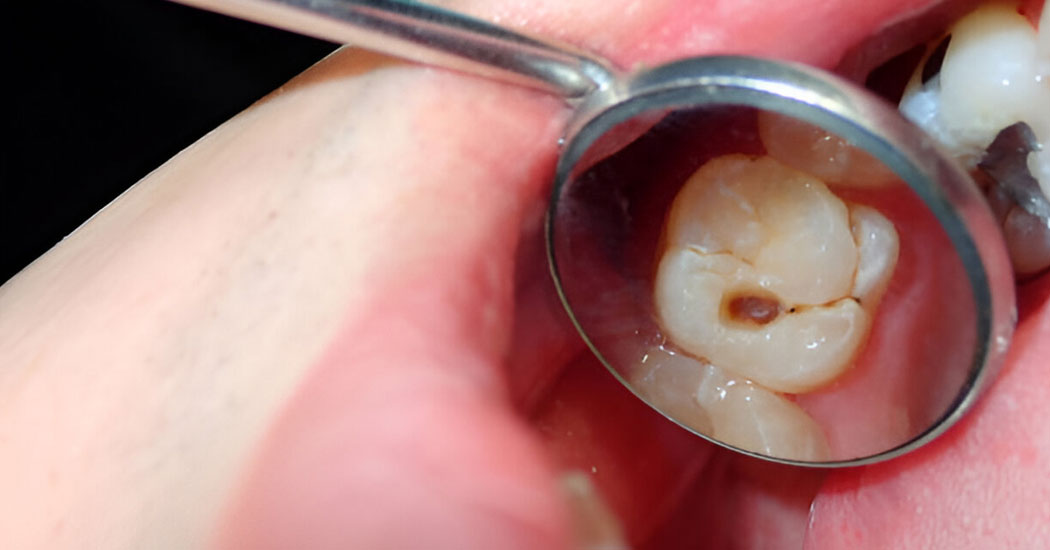
Pedodontics, also called pediatric dentistry, is the branch of dentistry that focuses on the teeth and oral health of children, from a baby's first tooth through the teenage years. Children are not simply small adults: their teeth, jaws and habits are still developing, and they need care that is gentle, preventive and explained in a way they can understand.
At Stavya Dental Hospital in Satellite, Ahmedabad, our team cares for children from Satellite, Vastrapur, Shyamal, Jodhpur, Prahladnagar, Bodakdev and nearby areas in a calm, child-friendly setting. A positive early experience helps children build healthy habits and grow up without fear of the dentist.
Healthy baby teeth matter. They help your child chew, speak clearly and smile with confidence, and they hold the space that permanent teeth need to come in correctly.
A child's first dental visit is recommended by their first birthday, or within six months of the first tooth appearing. After that, most children benefit from a check-up every six months. Book an appointment sooner if you notice:
Marks on the teeth, which can be early signs of decay.
Including discomfort with sweets, cold drinks or chewing.
Or persistent bad breath.
Such as a chipped, loosened or knocked-out tooth.
Thumb-sucking, finger-sucking or tongue-thrusting that continue as permanent teeth come in.
Teeth coming in crooked, or the jaws not meeting properly.
Every child develops at their own pace, so these ages are only a general guide:
| Age (approx.) | What usually happens | What parents can do |
|---|---|---|
| Around 6 months | The first baby teeth start to appear | Start brushing with a soft brush and a smear of fluoride toothpaste |
| By 1 year | Several baby teeth are in | Book your child's first dental visit |
| Around 2–3 years | Most or all of the 20 baby teeth are in place | Keep up six-monthly check-ups and limit sugary snacks |
| Around 6 years | First permanent molars come in and front baby teeth begin to loosen | Ask about dental sealants for the new molars |
| Around 7 years | Early signs of crowding or bite problems can often be seen | Have an early orthodontic evaluation |
| Around 12–13 years | Most permanent teeth are in, except wisdom teeth | Use a mouthguard for contact sports |
We take time to say hello, show your child the chair and instruments in a friendly way and answer any questions, so the visit feels familiar rather than frightening.
We check the teeth, gums, bite and jaw growth. When needed, low-dose digital X-rays help us spot hidden cavities or developmental issues early.
Depending on your child's needs, this may include a gentle cleaning, fluoride application or dental sealants to protect the teeth.
We explain what we found, show you and your child how to brush effectively and discuss diet, habits and when to return.
Preparing your child: talk about the visit in a calm, positive way, avoid words like "pain" or "injection", and choose a time of day when your child is usually rested and fed.
Prevention is the foundation of children's dentistry. Regular check-ups, professional cleanings, fluoride treatments, dental sealants and age-appropriate brushing instruction help stop problems before they start.
When a cavity does develop, we treat it gently with tooth-coloured fillings or other suitable materials, keeping your child as comfortable as possible.
We monitor how the teeth and jaws are developing and identify early signs of crowding or bite problems. Our orthodontist, Dr. Krishna Ranpura, can advise on braces and orthodontic treatment at the right age.
Children are prone to falls and sports injuries. We provide prompt care for chipped, fractured, loosened or knocked-out teeth to reduce the risk of long-term problems.
We move at your child's pace, explain each step in simple words and use positive encouragement. If a child is very anxious or needs more extensive treatment, we discuss the most suitable approach with you.
Individual, sensitive care for children with medical, developmental or behavioural needs, working closely with parents and caregivers to make each visit as positive as possible.
Guidance for parents: we share practical advice on nutrition, brushing techniques, teething and habits such as thumb-sucking, because what happens at home matters as much as what happens in the clinic.
Our team offers a range of treatments tailored to the needs of growing teeth, including:
Decay in very young children (baby bottle tooth decay), often linked to frequent milk, juice or sweet drinks, especially at bedtime. We stop the decay, restore affected teeth gently and help parents prevent it from returning.
If a baby tooth is lost early, neighbouring teeth can drift into the gap. A custom-fitted space maintainer holds the space open so the permanent tooth can come in correctly, which can reduce the need for more extensive treatment later.
When decay reaches the nerve of a baby tooth, pulp therapy (similar in principle to root canal treatment) can often save it. The tooth is then covered with a durable crown (cap) that restores chewing and keeps the space for the permanent tooth.
Composite fillings repair cavities in both baby and permanent teeth. They bond to the tooth and match its natural colour.
The chewing surfaces of back teeth have deep grooves where food and bacteria collect. Sealants are thin protective coatings that make these surfaces smoother, easier to clean and less likely to decay.
Patient, positive strategies to help children stop thumb-sucking, finger-sucking and tongue-thrusting, with simple appliances when needed to support healthy development.
If a permanent tooth is knocked out: hold it by the crown, not the root, keep it in milk and see a dentist immediately. Do not try to put a knocked-out baby tooth back in, but do have your child checked.
Our family dental practice legacy dates back to 1977, and we care for patients of every age, from toddlers to grandparents, with a gentle approach that builds trust.
Digital X-rays and intraoral cameras, which also let children and parents see what we see.
Our multispeciality team includes an orthodontist, an endodontist and an oral surgeon if your child needs more advanced care.
Strict sterilisation protocols and ISO 9001:2015 certification, with evening and Sunday hours that fit around school.
Give your child a healthy start with regular, gentle dental care. Whether it is a first visit, a routine check-up or a toothache, our team in Satellite, Ahmedabad is here to help.
A child's first dental visit is recommended by their first birthday, or within six months of the first tooth appearing. Early visits help us spot problems early and get your child used to the dentist.
Most children should have a check-up every six months for cleaning, preventive care and monitoring of their dental development. Your dentist may suggest a different interval based on your child's needs.
Baby teeth help children chew, speak and smile, and they hold space for the permanent teeth. Untreated decay can cause pain and infection, and losing baby teeth too early can lead to crowding of the permanent teeth.
Yes. Digital dental X-rays use a very low dose of radiation, and we take them only when needed. They help detect hidden cavities and developmental problems early.
Help your child brush twice a day with fluoride toothpaste, limit sugary snacks and drinks, avoid bedtime bottles of milk or juice, and keep up regular dental visits for preventive care such as fluoride treatments and sealants.
Talk about the visit in a calm, positive way and avoid words like pain or injection. Our team uses a gentle, patient approach, explains each step in simple words and moves at your child's pace to build positive associations with dental visits.
If it is a permanent tooth, hold it by the crown, not the root, place it in milk and see a dentist immediately, as quick treatment gives the best chance of saving it. Do not try to put a knocked-out baby tooth back in, but do have your child checked by a dentist.
An orthodontic evaluation around the age of 7 is generally advisable, as early signs of crowding or bite problems can often be seen by then. Many children will not need treatment straight away, but early assessment helps plan the right timing.
Still have a question? Our team is happy to help.
Call +91 89803 95039All rights reserved 2026 © Stavya Dental Hospital
